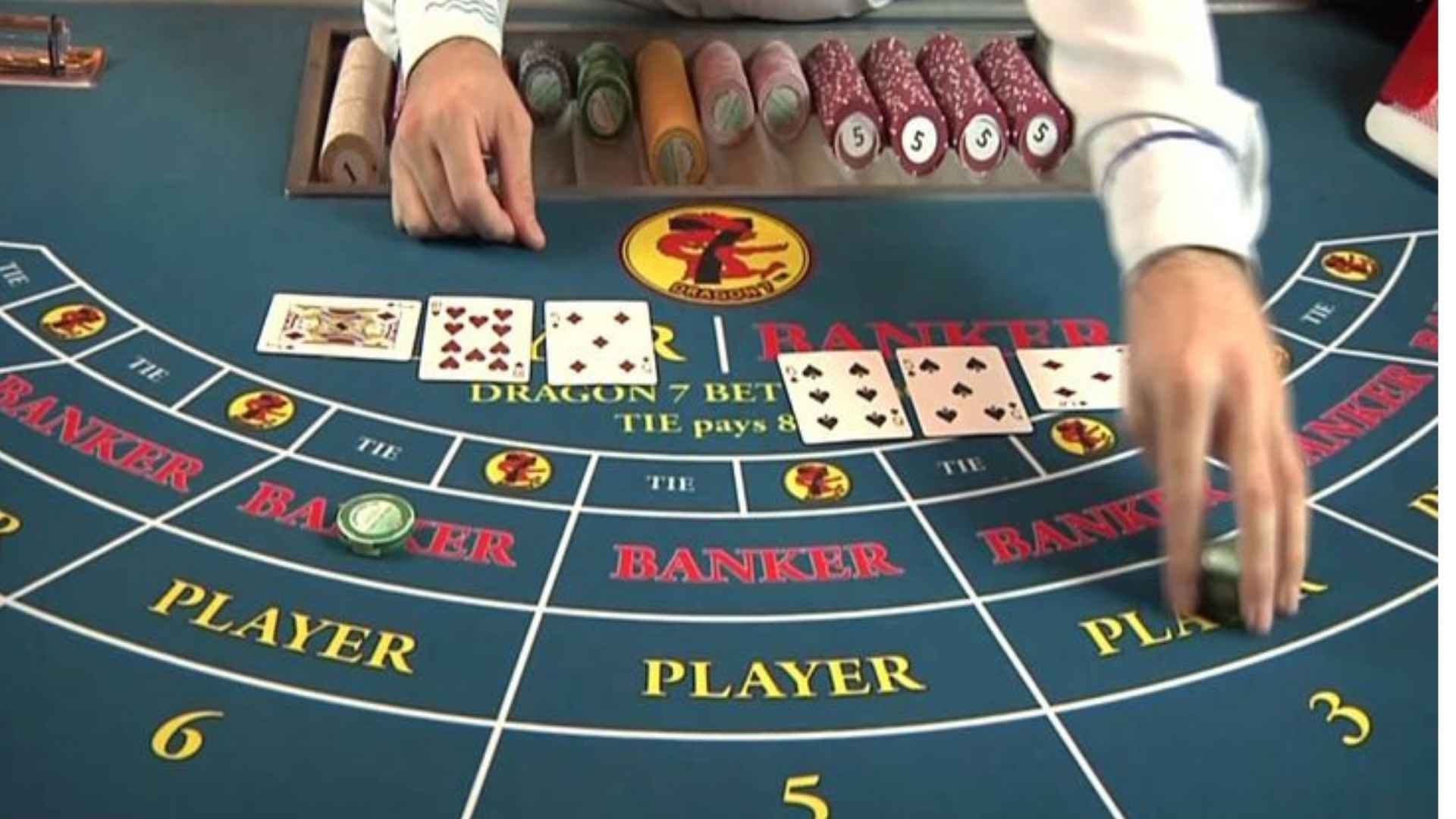
Navigating table card games often requires learning terminology that sounds similar but carries distinct technical meanings. Two of the most frequently confused terms are a hand and a round, which define entirely different scope levels during gameplay. Understanding how these concepts separate cards from overall session progression helps players follow game mechanics with clarity.
Defining the Individual Hand
A hand refers specifically to the set of cards dealt to or designated for a single entity during play. In games like baccarat or blackjack, a hand is evaluated based on its specific card values and total point combinations. Each hand represents a single side of the contest that competes against another set of cards or against a dealer standard.
Depending on the specific game rules, multiple hands can exist on the table simultaneously during a single deal. For instance, in baccarat, the Dealer sets up both a Player hand and a Banker hand. Individual participants place wagers on which of these specific card groupings will achieve the winning score.
Understanding the Scope of a Round
A round encompasses the entire sequence of play from the initial placement of bets to the final settlement of all outcomes. It serves as the complete operational cycle that contains all hands dealt during that specific period. Once a round concludes, all cards are collected, and a new sequence begins anew.
During a single round, the game moves through structured phases including wagering windows, card dealing, optional actions, and payout distribution. Players accessing their accounts via m88 casino login often observe this distinct rhythm in live table feeds. Recognizing the boundaries of a round helps participants track timing and keep pace with live dealers.
Key Differences Between Hands and Rounds
The primary distinction between the two terms rests on the relationship between components and the overall cycle. A hand is a constituent element within the broader framework, while a round is the container that houses those elements. A single round can feature one hand, two hands, or several hands depending on player count and table variants.
Furthermore, decision-making and scoring occur at the hand level, whereas time management and betting intervals occur at the round level. Understanding this contrast prevents confusion when studying rules, strategies, or game statistics. Evaluating a single hand in isolation gives insights into card totals, while tracking a round provides perspective on table flow.
Why Terminology Clarity Matters for Players
Grasping exact card game terminology allows players to interpret rules correctly and avoid simple misunderstandings. Misinterpreting how hands function within a round can lead to confusion regarding payout conditions or side bet qualifications. Clear vocabulary builds a solid foundation for better focus and decision-making during fast-paced sessions.
Ultimately, separating hands from rounds enhances table awareness and overall appreciation of game mechanics. Recognizing how individual cards form hands inside structured rounds makes every gaming phase easier to follow. With this baseline knowledge, players can approach table games with greater confidence and analytical insight.