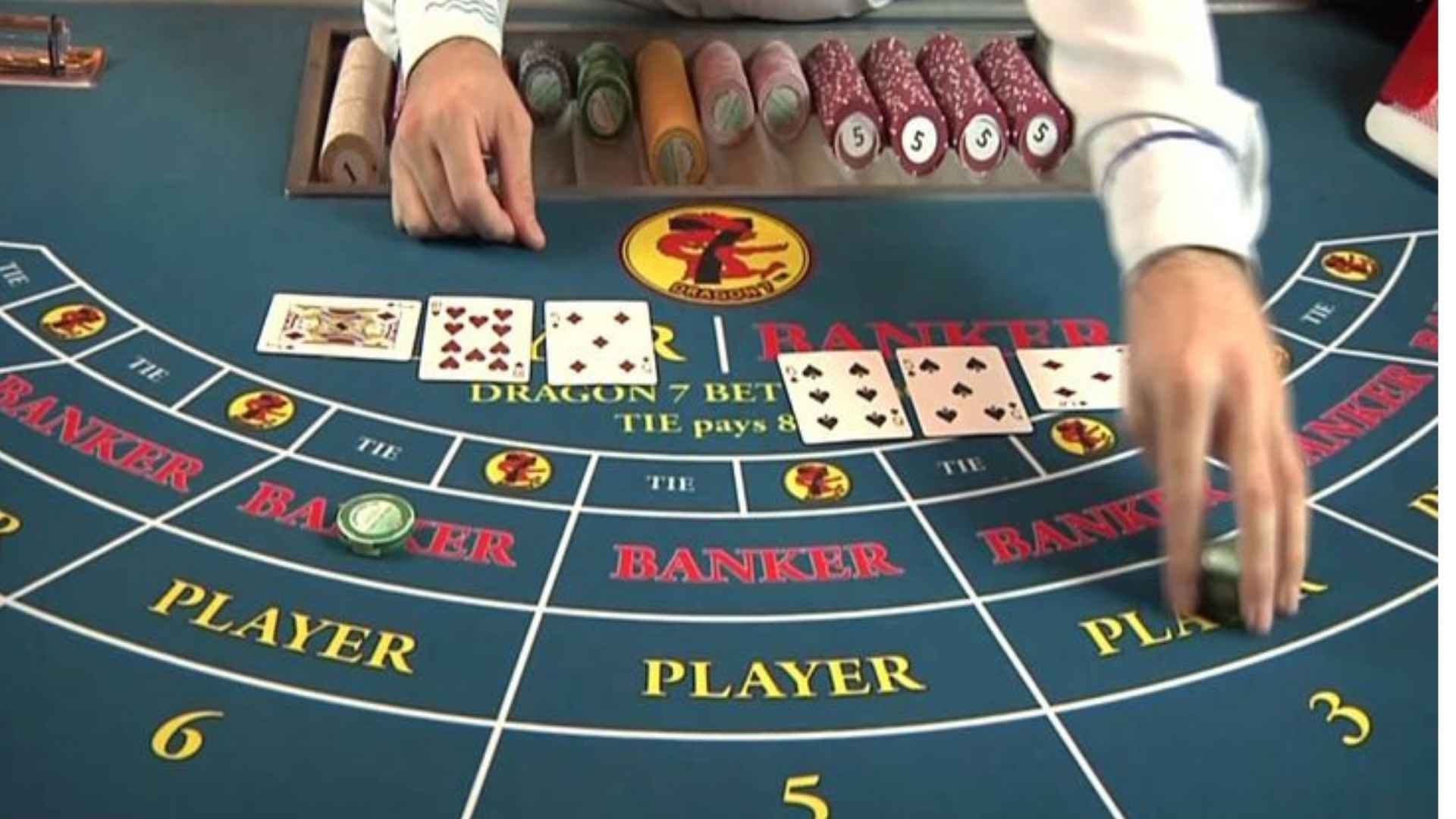
The mobile gaming landscape has shifted dramatically over the past few years, moving far away from simple chance-based applications toward deep intellectual puzzles. Modern developers are continuously pushing creative boundaries to ensure that digital deck-building titles remain highly engaging for both veterans and casual players. Consequently, a new wave of mobile card games is emerging to satisfy the growing global demand for complex, real-time strategy on portable screens.
The Evolution of Handheld Strategy
Traditional card variations often relied heavily on luck or static calculations that quickly became predictable after a few matches. In contrast, modern interactive titles integrate dynamic environmental factors and complex lane systems to completely reshape how individual matches unfold. These innovative layers ensure that every single duel forces players to adapt their tactical approach instantly to overcome unique obstacles.
Furthermore, the widespread availability of high-speed networks allows digital card enthusiasts to connect and compete globally without facing regional restrictions. Utilizing a secure interactive portal like the m88 link mobile platform can help enthusiasts explore diverse digital gaming opportunities safely. This seamless global connectivity significantly elevates the competitive standards of the modern digital tabletop arena.
Shifting Meta Systems and Hybrid Mechanics
One of the most prominent trends in the current mobile ecosystem is the successful blending of traditional card collection with roguelike progression elements. Players are no longer confined to rigid, pre-constructed card lists but must actively draft and modify their decks during live gameplay runs. This unpredictable format heavily rewards creative adaptability and strategic foresight over simple resource accumulation.
Additionally, game studios frequently introduce minor balance updates to prevent the overall competitive environment from becoming stale or one-dimensional. These consistent mechanical adjustments encourage the community to discover unorthodox card synergies rather than relying on established meta operational formulas. As a direct result, the ranked multiplayer ecosystem remains highly competitive, fresh, and intellectually stimulating.
Enhancing Cognitive Skills Through Active Play
Engaging with sophisticated digital card games provides far more than just brief entertainment during a short daily commute. These strategic titles actively stimulate critical cognitive functions, including short-term memory management, resource optimization, and rapid logical reasoning under time constraints. Over extended periods, mastering these complex virtual scenarios can remarkably improve a player's real-world analytical capabilities.
Moreover, many modern titles feature elaborate single-player puzzle campaigns designed specifically to test intricate tactical problem-solving skills. These narrative modes offer a low-stakes environment where newcomers can practice advanced combination maneuvers before jumping into ranked tournaments. Balancing casual relaxation with deep intellectual execution makes the entire genre highly appealing to a remarkably broad demographic.
Long Term Progression and Community Growth
The implementation of rewarding progression structures ensures that active players remain motivated to refine their tactical skills over many months. Daily missions, seasonal achievements, and unique cosmetic rewards provide constant milestones that make every victory feel highly satisfying. These features help build dedicated player communities that share strategies and discuss mechanical theories openly.
Ultimately, the future of the digital card genre looks exceptionally bright as developers continue to prioritize player skill and creative expression. The ongoing arrival of fresh challenges guarantees that tactical masters will always have new puzzles to solve on their smartphones. This commitment to continuous improvement firmly establishes mobile card duels as a premier form of modern digital entertainment.