The transformation of card games from private pastimes into grand social spectacles remains one of the most fascinating chapters in entertainment history. Before the advent of modern commercial gaming floors, early wagering establishments designed environments specifically to encourage high-society gatherings and sophisticated interactions. By shifting the focus from solitary play to collective engagement, these historic venues established a cultural legacy that still influences how people connect over shared activities today.
The Architecture of Early Gaming Salons
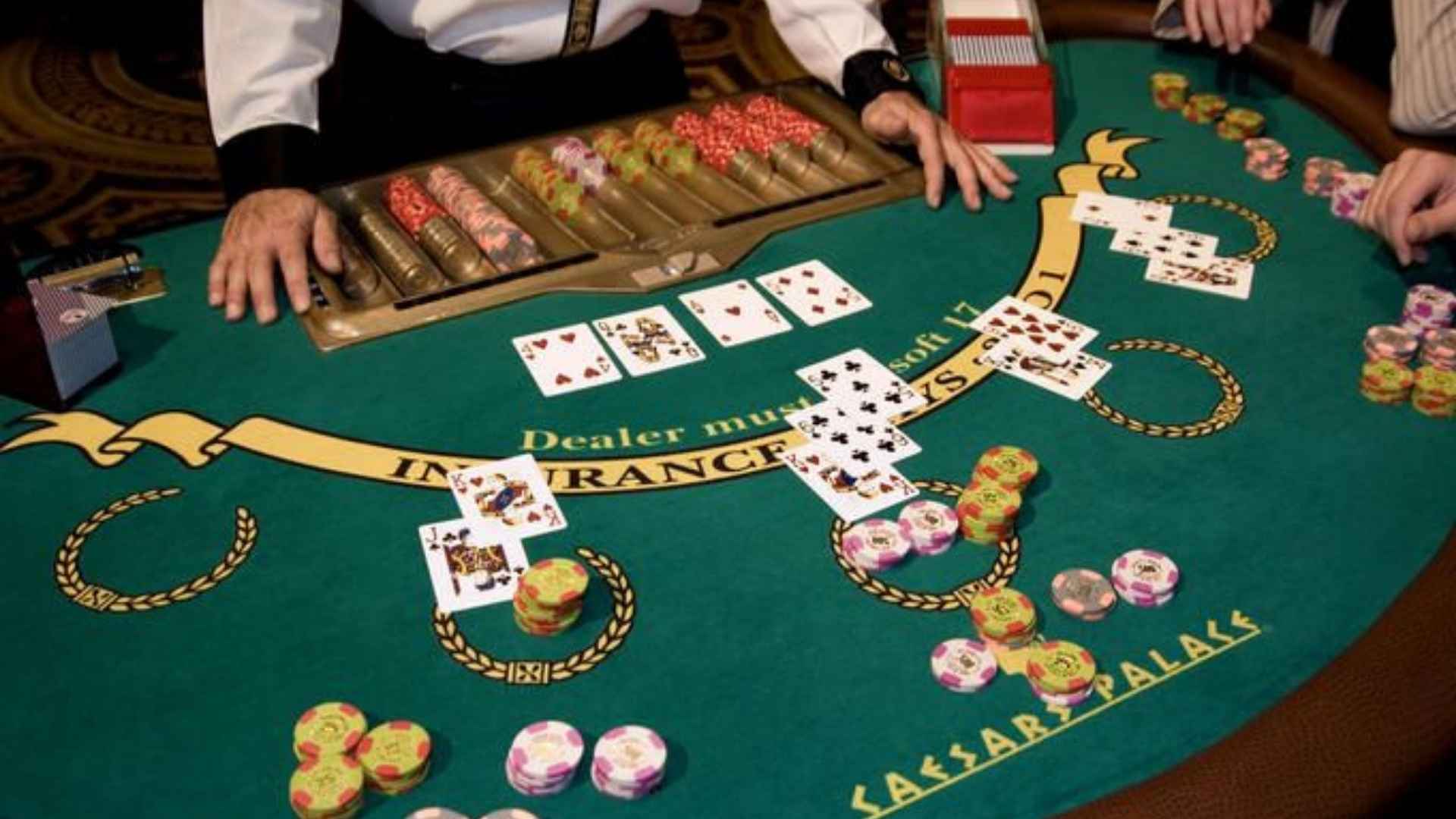
Europe's earliest gambling houses were designed with luxury and human connection in mind rather than sheer volume. Grand halls and intimate drawing rooms featured elaborate seating arrangements that allowed participants to face one another comfortably while observing every gesture. This deliberate layout elevated simple card dealing into a theatrical display where conversation, etiquette, and personal presentation were just as important as the wagers placed on the table.
By treating the gaming space as an extension of the aristocratic ballroom, historic venues naturally attracted diverse groups of influential guests. These carefully curated environments ensured that individuals did not merely bet in isolation but actively participated in a larger community ritual. The physical design of the rooms successfully balanced the inherent tension of chance with the refined pleasures of nineteenth-century hospitality.
Cultivating Community Through Shared Table Rules
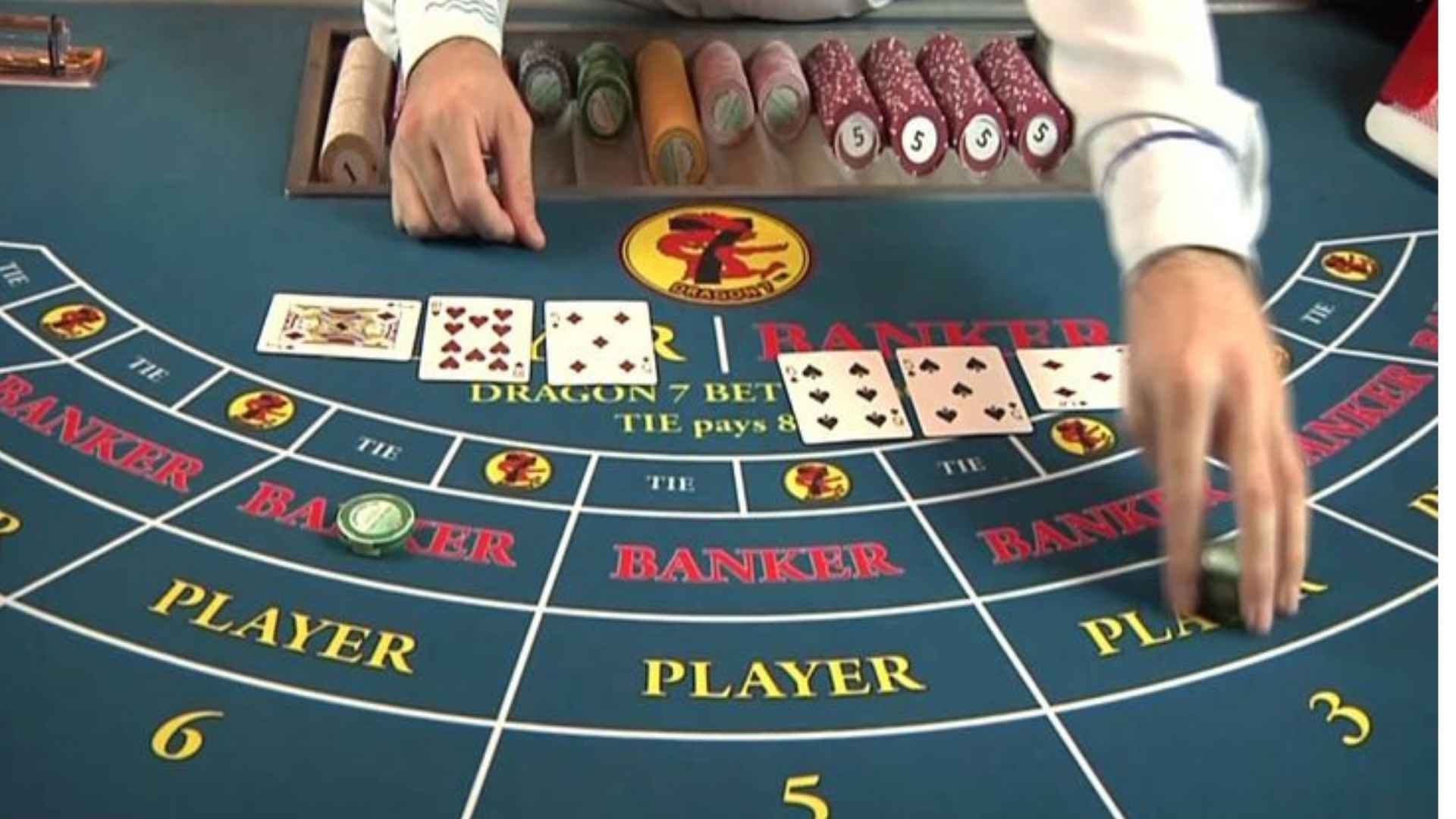
The mechanics of historic card variants played a significant role in fostering deep social bonds among players. Games like early baccarat and various traditional banking options required participants to rotate responsibilities and directly challenge one another rather than playing against a detached corporate entity. This interactive framework turned each round into a shared strategic contest where reputation and personal decisions heavily influenced the room's collective energy.
Because players bore direct responsibility for managing the flow of the game, a distinct code of conduct naturally emerged around the tables. Regular attendees developed a deep mutual respect based on table awareness, patience, and transparent dealing practices. For modern enthusiasts interested in exploring the evolution of these interactive gaming traditions, checking out a platform like m88 - m thể thao offers a contemporary gateway into vibrant entertainment environments. This enduring appeal demonstrates how foundational concepts of community engagement continue to shape digital gaming spaces today.
From Exclusive Salons to Public Festivals
As the concept of the casino expanded beyond exclusive private clubs, public gaming houses began integrating card tables into broader resort entertainment systems. Establishments surrounded their gaming areas with musical performances, theatrical shows, and fine dining options to appeal to a wider audience. This integration effectively neutralized the stigma often associated with wagering by reframing the entire experience as a comprehensive social festival.
The card tables quickly became central hubs where travelers from different regions could meet, converse, and share unique cultural perspectives. By providing a structured yet thrilling context for interaction, historic casinos transformed simple card play into a universal language of leisure. This historical shift laid the groundwork for the modern hospitality industry, where gaming remains deeply intertwined with community connection.