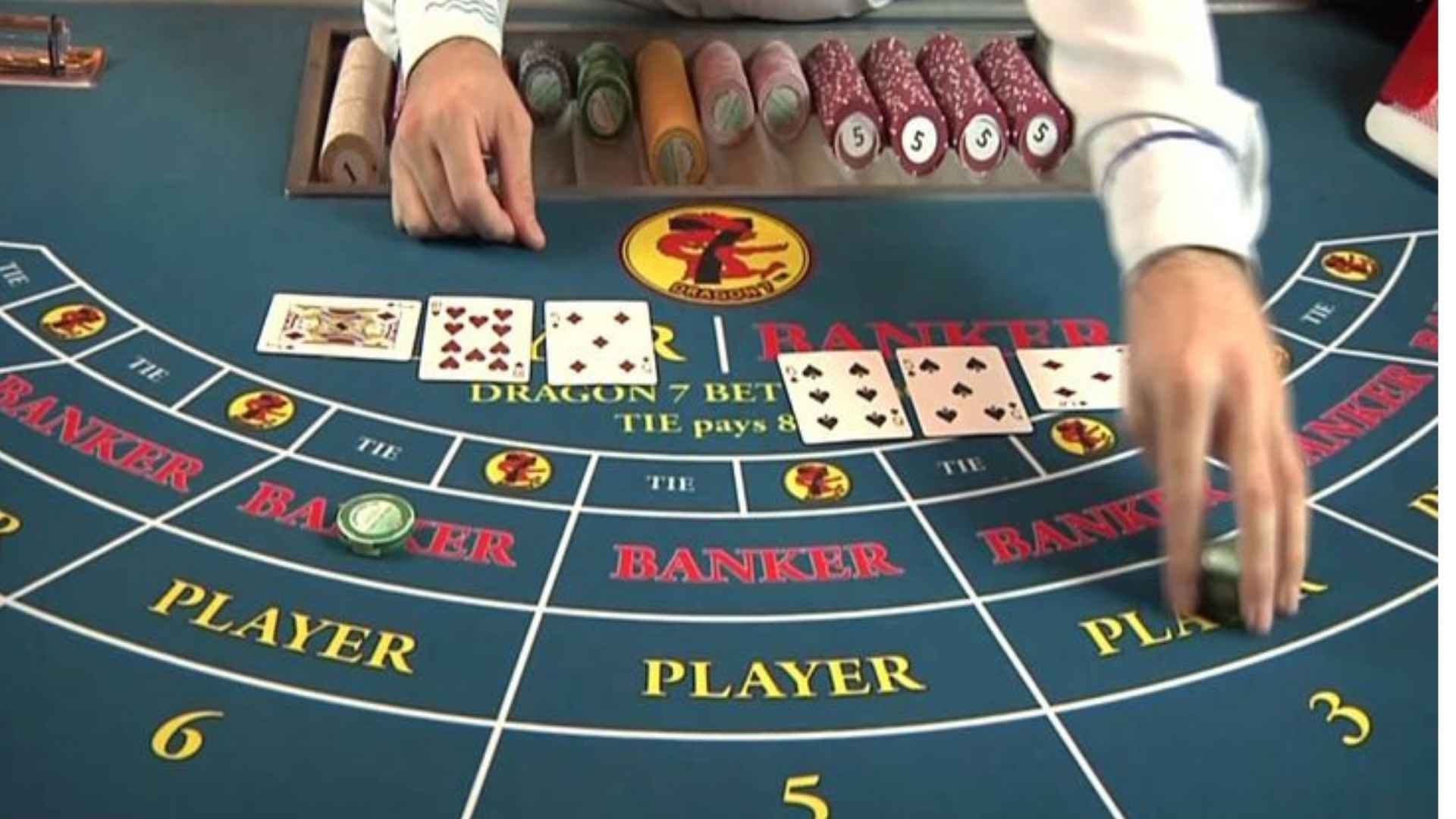
The modern tabletop landscape has shifted significantly over the past decade, moving beyond individual competition toward cooperative play. Today, many board games require participants to unite their efforts against a common automated challenge rather than competing with each other. This dynamic fosters deep team spirit and turns standard social gatherings into highly engaging exercises in collective problem-solving.
The Core Mechanics of Shared Strategic Planning
Cooperative tabletop designs often require participants to balance separate individual abilities to reach a single joint objective. Players must discuss their moves openly, analyzing immediate risks while projecting long-term consequences for the whole team. This constant exchange of ideas sharpens collective decision-making and ensures that every participant remains fully engaged in the ongoing narrative.
Furthermore, these experiences teach individuals how to handle unexpected setbacks without losing sight of their overarching goal. When a sudden crisis occurs on the board, the group must adapt their strategies quickly and allocate shared assets efficiently. This focus on joint adaptability builds strong interpersonal trust and encourages open communication among friends and family.
How Cooperative Play Mirrors Workplace Dynamics
The tactical skills developed during complex cooperative gaming sessions often translate remarkably well into modern corporate environments. Teams must identify individual strengths, delegate critical responsibilities, and coordinate distinct operational phases to ensure an optimal outcome. By operating within these structured rule sets, participants practice essential management practices in a stress-free and engaging setting.
For teams looking to explore different forms of recreational activities, visiting platforms like M88 Mansion Sports can offer a refreshing change of pace. However, the foundational habits built around a physical gaming table remain unmatched for cultivating organic team building. These analog challenges show that combining diverse perspectives leads to far more innovative solutions than working in complete isolation.
Fostering Leadership and Active Listening Skills
An effective joint tabletop session naturally requires a careful balance between strong leadership and active listening. Participants must learn when to present bold strategic directions and when to defer to another team member's specialized tactical insight. This fluid exchange prevents a single player from dominating the session and ensures that every voice is respected.
Moreover, these activities provide a safe space for individuals to practice giving constructive feedback under pressure. Because the shared objective is clear, suggestions are interpreted as supportive actions rather than personal criticisms. This encouraging atmosphere helps quieter players build confidence while teaching competitive personalities the value of patience.
Selecting the Ideal Cooperative Experience for Your Group
Choosing the perfect title depends heavily on the average experience level and thematic preferences of your gathering. Beginners often thrive in games with straightforward rules and short playtimes, where the consequences of strategic choices are immediately clear. Veteran hobbyists usually prefer intricate designs that feature deep resource management and multi-layered win conditions.
Regardless of the complexity, introducing these shared challenges into your routine guarantees memorable moments of unified triumph. The shared memories created by overcoming a difficult scenario together outlast the fleeting satisfaction of an individual victory. Investing in these engaging experiences is a wonderful way to cultivate deeper bonds and sharp strategic thinking.