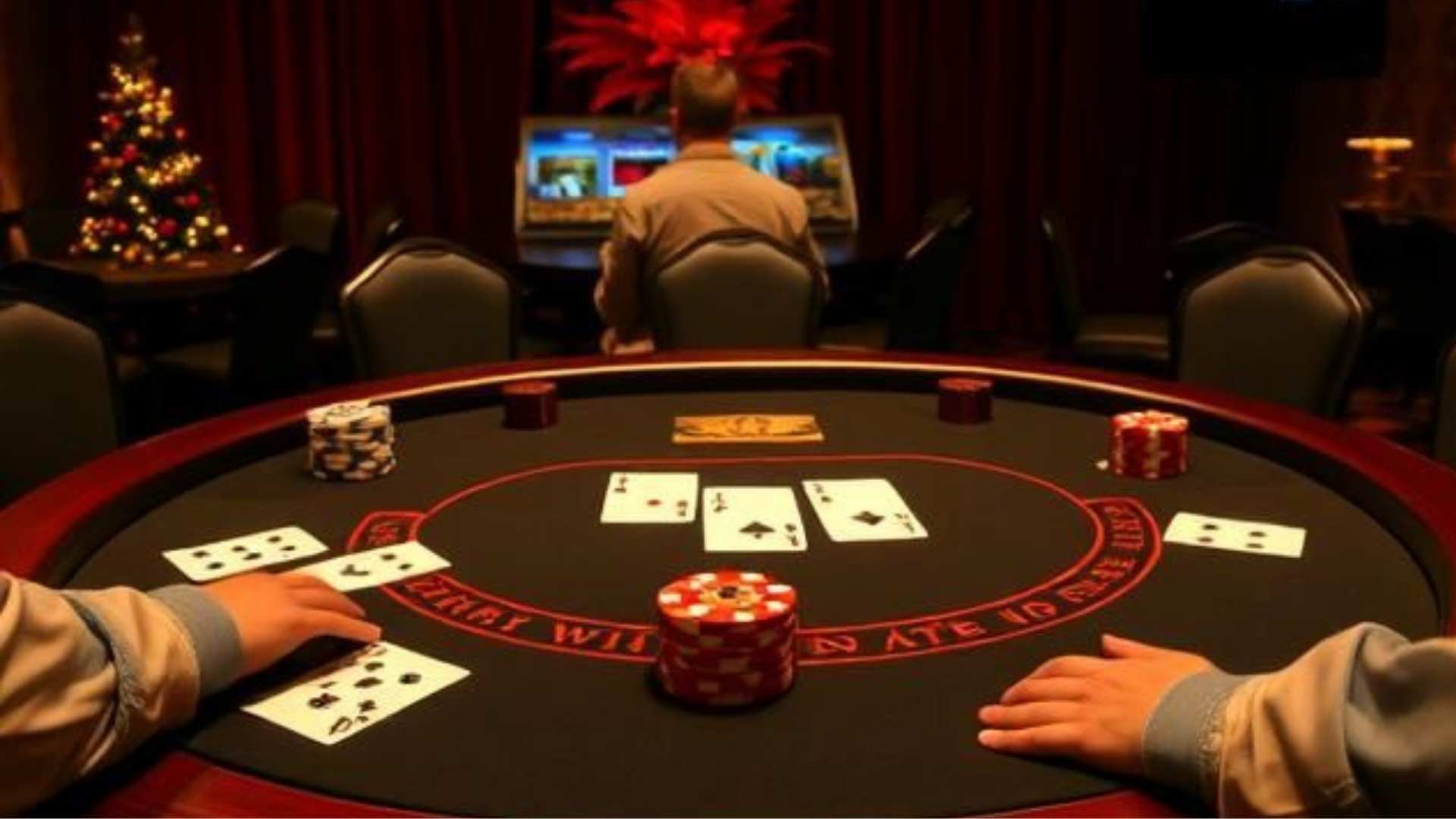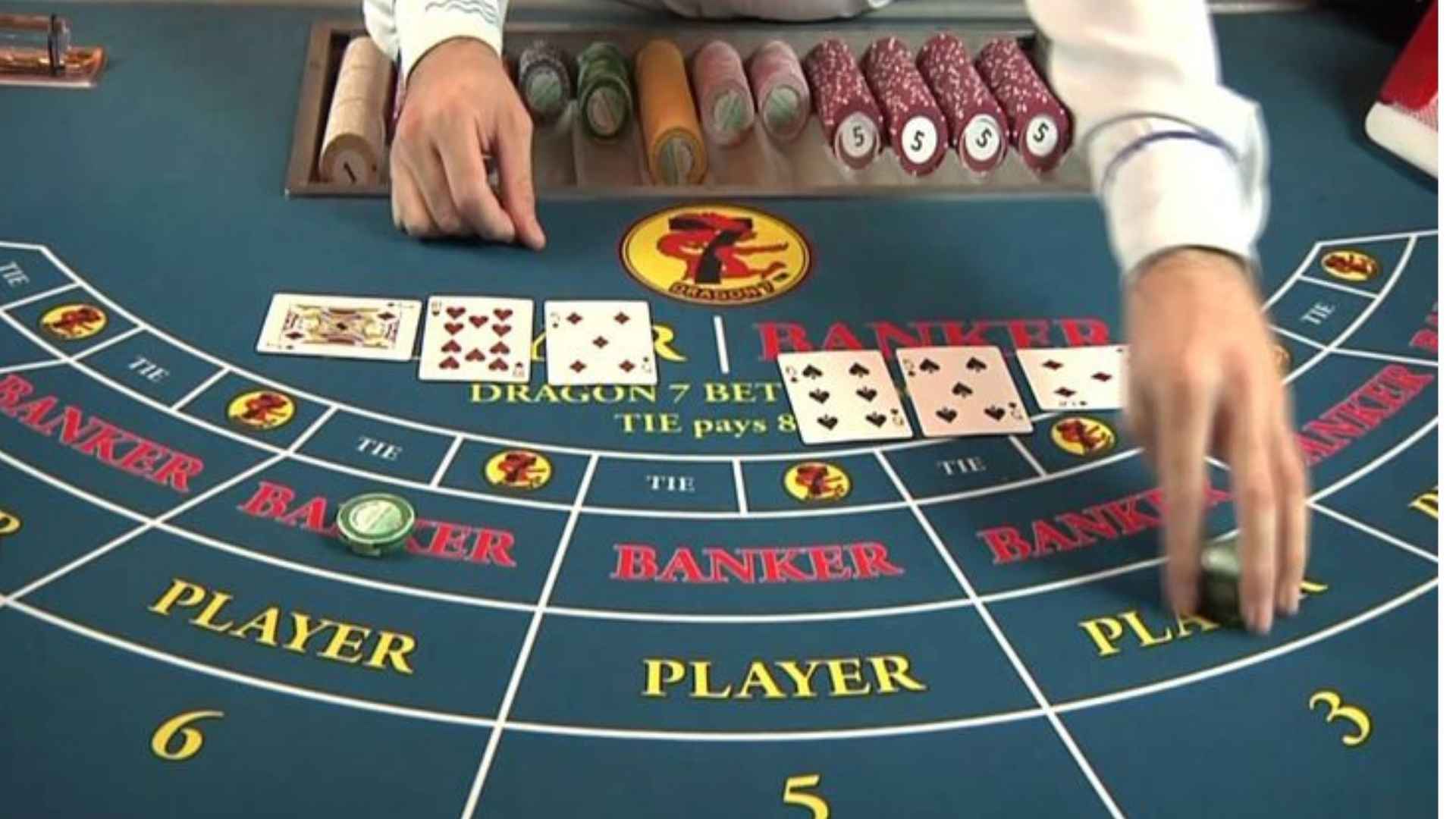
Mastering the art of folding is one of the most critical elements of a sustainable poker strategy. While many players focus entirely on when to bet or bluff, knowing how to protect your chips by surrendering at the right moment is equally vital. Failing to make disciplined folds can silently drain your bankroll and compromise your long-term success at the tables.
The Hidden Cost of Fearing Aggression
Many developing enthusiasts surrender their cards too quickly when facing sudden pressure from their opponents. This behavior often stems from a lack of confidence in reading hand ranges or assessing shifting table dynamics. Giving up your equity prematurely prevents you from winning pots that were rightfully within your reach.
When you repeatedly execute weak folds, observant players will quickly notice your defensive patterns and exploit them. They will amplify their aggression, knowing that a well-timed bet will easily force you out of the running. To prevent this, you must learn to stand your ground when the mathematical odds tilt in your favor.
Evaluating Pot Odds and Equity Realization
Making an optimal decision at the green felt requires a balanced understanding of mathematical probabilities. You should always compare the size of the current bet against your actual chances of completing a winning combination. Folding a strong draw when the pot offers excellent implied odds is a fundamental tactical mistake.
To refine your tactical approach and study these complex situations, keeping track of reliable digital resources can be highly beneficial. Utilizing tools on platforms like the m88 link mobile interface allows players to analyze hand histories and calculation methods on the go. This continuous review helps ensure that you do not walk away from profitable situations out of pure uncertainty.
Recognizing the Psychological Traps of Table Pressure
Emotions play a significant role in how card enthusiasts manage high-stakes moments during a live or online session. Fear of losing a sizable stack can cause a player to overstate the strength of an opponent's betting pattern. This anxiety frequently leads to a passive style where folding becomes an easy escape route from stressful choices.
Building mental resilience involves accepting variance as a natural part of competitive card games. By focusing on objective data rather than temporary intimidation, you can make logical choices under extreme pressure. Overcoming the urge to retreat prematurely transforms your overall presence and makes you a much tougher competitor to push around.
Developing Selective Aggression and Discipline
True proficiency comes from knowing the precise line between reckless stubbornness and calculated folding. You should not call every bet out of pride, but you must also avoid throwing away your cards without a valid strategic reason. Evaluating your position relative to the dealer button provides critical context for these close decisions.
A structured routine involving constant observation of your opponents' habits will significantly sharpen your instincts. Take note of how often they bluff and what types of hands they showcase at the final showdown. Armed with this valuable information, you can confidently avoid weak fold decisions and maximize your potential win rate across every session.